

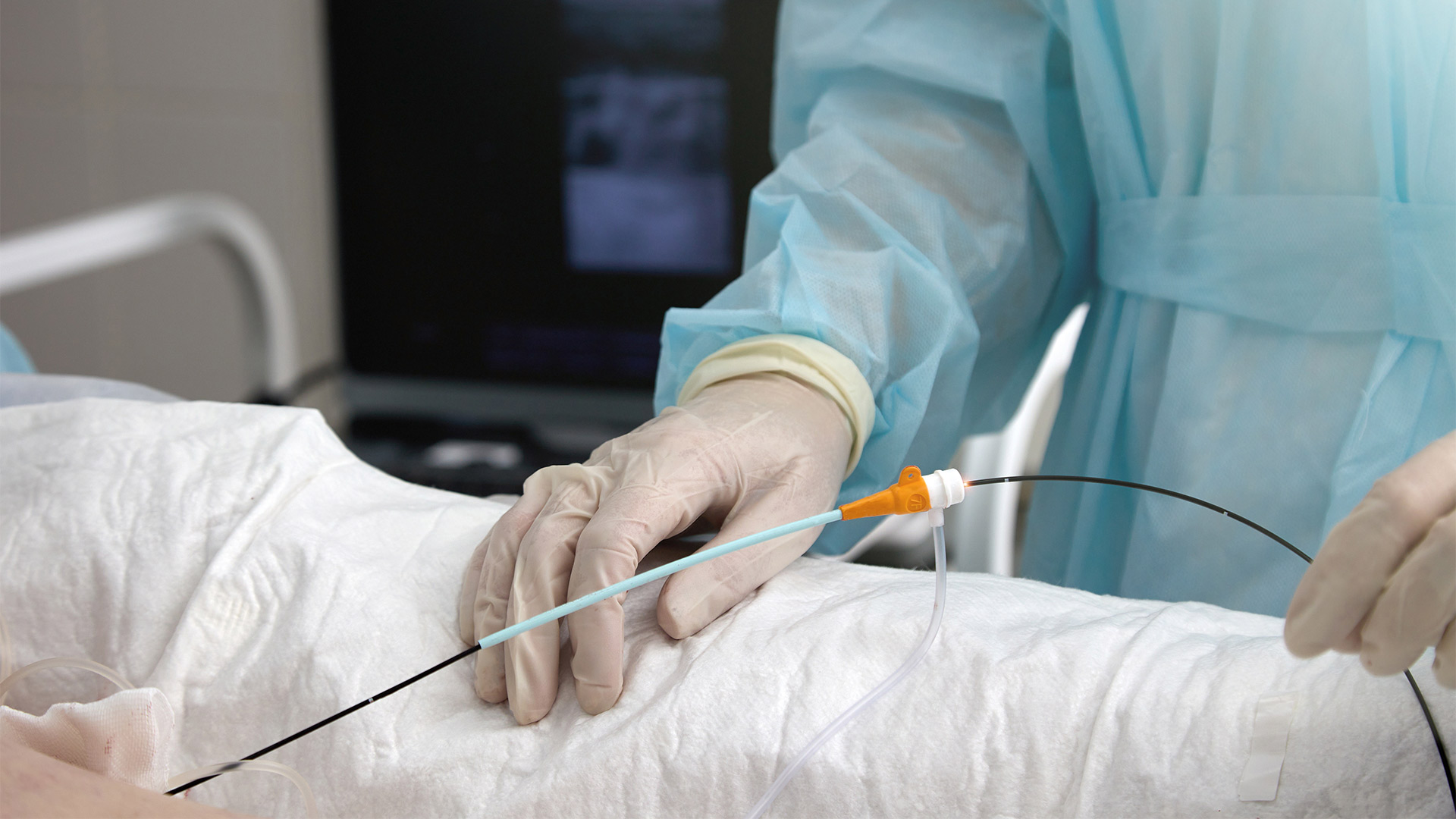
Ambulatory phlebectomy is a minor outpatient procedure that removes large, bulging varicose veins through tiny punctures in the skin — too small for stitches, leaving only small marks that fade over time. It is most commonly performed after endovenous laser ablation (EVLA) or radiofrequency ablation has closed the underlying refluxing saphenous vein, completing the treatment of varicose veins that remain visible after the source of the problem has been addressed. At Current Clinic, ambulatory phlebectomy is performed under local anesthesia in our outpatient treatment suite.
Ambulatory phlebectomy — also called microphlebectomy or stab phlebectomy — uses a small hook or forceps inserted through punctures of 2 to 3 millimeters to grasp and remove the varicose vein segment by segment. Local anesthetic is injected along the course of the vein before the procedure begins. No sutures are needed; the puncture sites are covered with small adhesive strips and heal within days.
The procedure takes 30 to 60 minutes depending on the extent of varicosities being treated. Patients wear a compression bandage immediately after the procedure and transition to a compression stocking the following day. Most patients walk out of the clinic after the procedure and return to desk work within one to two days.
Phlebectomy is appropriate when large, bulging varicose veins remain symptomatic or visible after the underlying reflux has been treated — or as a primary treatment for isolated varicosities without significant saphenous insufficiency:
A venous duplex ultrasound is performed before phlebectomy to confirm the treatment plan and ensure that the feeding reflux has been adequately addressed before removing the varicosities themselves.
Phlebectomy is performed under local anesthesia — no general anesthesia, no IV sedation, and no hospital admission. The skin is cleansed and local anesthetic injected along the vein course before any incisions are made. Patients are awake and comfortable throughout. Mild discomfort and bruising along the treated area are normal for one to two weeks.
A compression bandage is worn for 24 hours after the procedure, followed by a compression stocking for one to two weeks. Most patients return to light activity the following day. Strenuous exercise and prolonged standing are restricted for one to two weeks.
Ambulatory phlebectomy at Current Clinic is performed by our vascular team in our outpatient treatment suite, coordinated with endovenous ablation and sclerotherapy as part of a complete varicose vein treatment program. Pre-procedure ultrasound, the phlebectomy itself, and post-procedure follow-up are managed by the same team.
To schedule a phlebectomy consultation or refer a patient, call us or request an appointment online.
The punctures used in ambulatory phlebectomy are 2 to 3 millimeters — smaller than a pencil tip — and do not require stitches. They heal to small, faint marks that are typically not visible within several months. Most patients are very satisfied with the cosmetic result. The marks fade more quickly with consistent sun protection and compression stocking use during healing.
Endovenous laser ablation closes the main saphenous trunk — the source of the abnormal pressure that caused the varicosities. The varicose vein branches that feed off the trunk may not disappear on their own, particularly larger bulging veins. Phlebectomy removes these residual varicosities completely, producing the comprehensive result most patients are seeking. In some cases sclerotherapy can achieve the same goal for smaller residual veins.
Removed vein segments do not return — but the underlying venous insufficiency that caused them persists in the patient’s venous system. New varicosities can develop in other segments over time, particularly without consistent compression stocking use. Most patients see durable improvement with proper follow-up care, and the rate of recurrence is significantly reduced when the underlying reflux has been treated before phlebectomy.
Yes — in many cases phlebectomy can be performed at the same session as endovenous laser ablation, completing both the source treatment and the varicosity removal in a single visit. In other cases — particularly when varicosities are very extensive or the patient prefers staged treatment — phlebectomy is scheduled as a separate procedure after the treated saphenous vein has had time to close and the response has been assessed. Your vascular specialist will advise which approach is appropriate for your anatomy.