We help you see inside your heart to identify potential risks and problems before they become a crisis.
Cardiac CT imaging gives our physicians a detailed, non-invasive look at your heart's anatomy and arteries,catching dangerous buildups, blockages, and structural concerns long before symptoms appear.
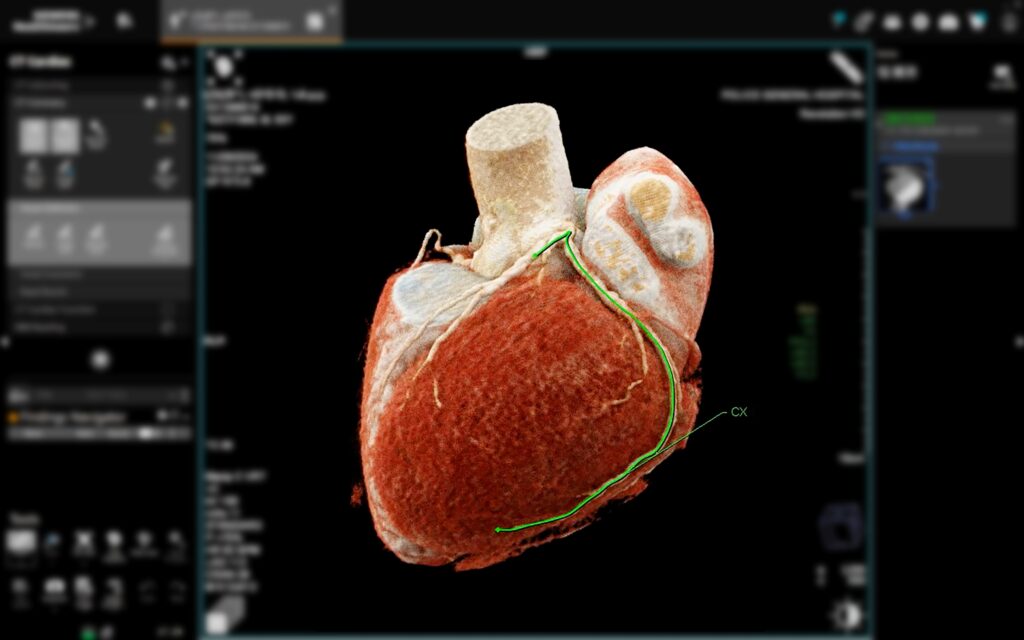
When your physician needs a more detailed look at your coronary arteries — their structure, degree of narrowing, and the nature of any plaque present — CCTA provides that picture non-invasively.
Calcium scoring detects and measures calcium buildup in the coronary arteries. Your score helps your doctor understand your actual cardiovascular risk, not just your estimated risk based on traditional factors.
A calcium score is one of the most powerful tools in preventive cardiology. It takes 10 minutes and one of the simplest tests you can take.
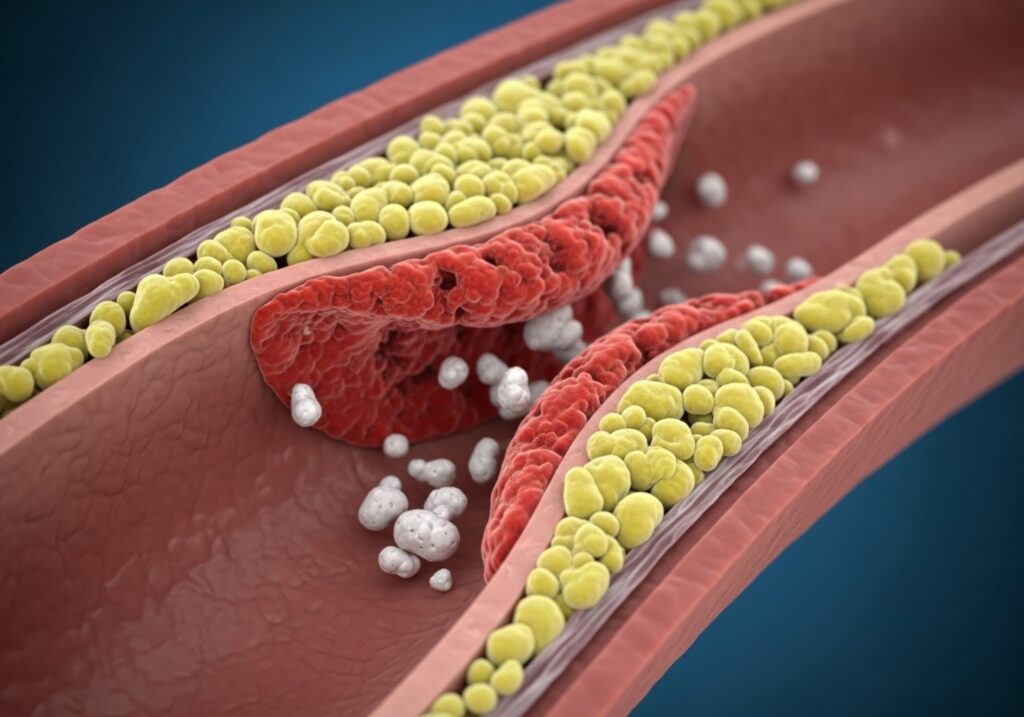
CAC scoring detects and measures calcium deposits in the walls of your coronary arteries. Calcium in the arteries is a direct marker of atherosclerosis, the buildup of plaque that narrows vessels, and drives heart attacks and strokes. Your score helps your doctor understand your actual cardiovascular risk, not just your estimated risk based on traditional factors.
Adults 40–75 with intermediate or uncertain cardiovascular risk
Patients and physicians trying to decide whether to start or intensify statin therapy
Anyone who wants a clearer picture of their heart health beyond cholesterol numbers and blood pressure
When your physician needs a more detailed look at your coronary arteries, CCTA provides that picture non-invasively.
CCTA uses advanced CT imaging combined with a contrast agent to produce high-resolution, three-dimensional images of the coronary arteries. It can identify obstructive and non-obstructive coronary artery disease, helping your care team make more informed decisions about next steps — without requiring an invasive catheterization procedure in many cases.
Evaluating chest pain or shortness of breath when the cause is unclear
Ruling out significant coronary artery disease in low-to-intermediate risk patients
Assessing patients with equivocal or inconclusive stress test results
Pre-procedural planning in select cardiac patients
Your doctor will help identify if CCTA is the right diagnostic tool for you